

WHAT IS PFAS?
PFAS, or per- and polyfluoroalkyl substances, are a large group of human-made chemicals that include PFOA, PFOS, GenX, and many others. These substances are known for their ability to resist heat, oil, stains, grease, and water, which makes them valuable in a wide range of consumer products, including non-stick cookware, water-repellent clothing, and some firefighting foams. However, PFAS chemicals do not break down in the environment and can accumulate in the human body, leading to concerns about potential adverse health effects. As a result, PFAS contamination in water, soil, and air is a growing environmental issue.
Why is PFAS Important?
PFAS is important right now due to increasing concerns about its environmental persistence and potential health impacts. These chemicals are often referred to as "forever chemicals" because they do not break down in the environment and can accumulate in human and animal tissues over time. Research has linked high levels of PFAS exposure to a variety of health issues, including cancer, immune system effects, and developmental problems in children.
As awareness of these risks grows, there is mounting pressure on regulatory agencies to establish stricter guidelines and on industries to find safer alternatives. Additionally, the widespread contamination of water supplies and environments around the world has led to significant cleanup efforts and legal actions, highlighting the urgency and relevance of addressing PFAS pollution.
How Can Talon/LPE Help You?
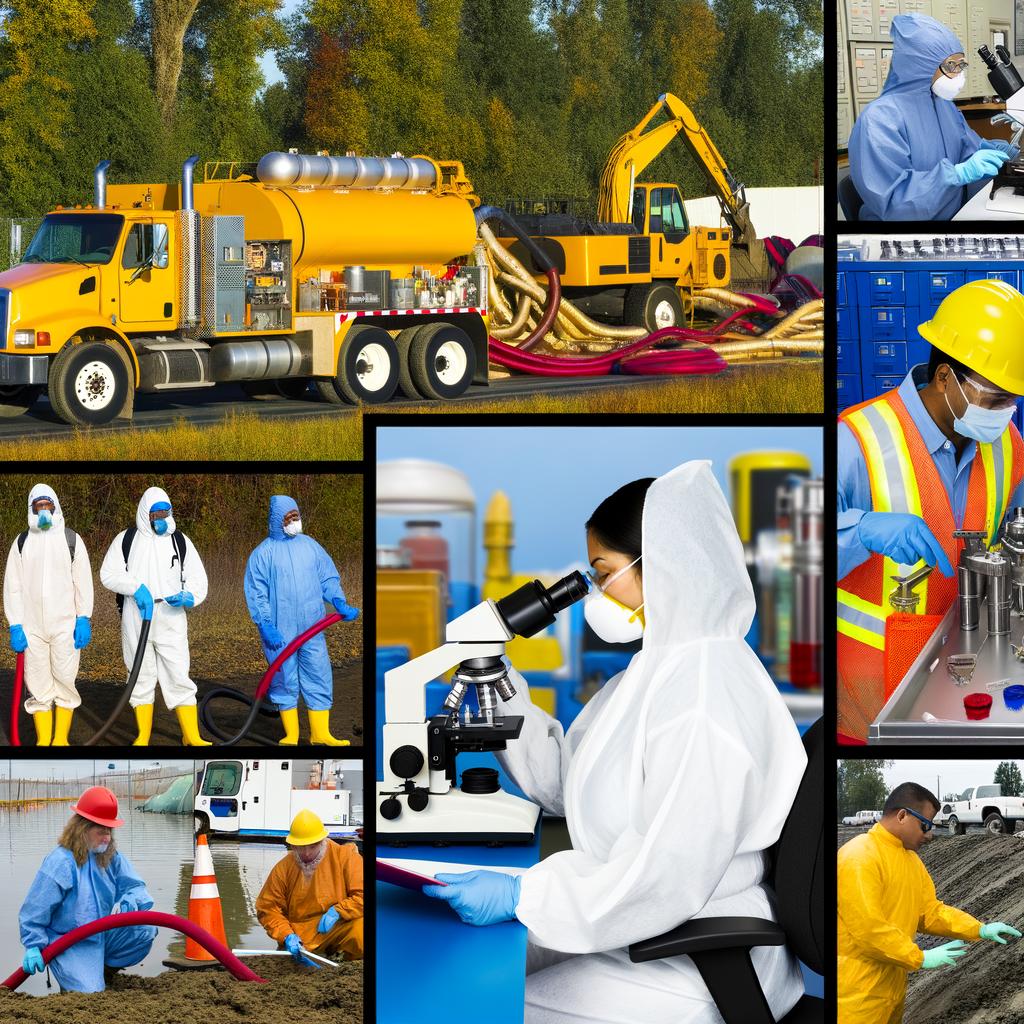
Assessment and Testing: Talon/LPE can conduct thorough site assessments and environmental testing to detect the presence and concentrations of PFAS compounds in soil, water, and other materials. This includes sampling and laboratory analysis, which are crucial first steps in understanding the extent of contamination. Out Talon/LPE drilling team has experience in PFAS testing and decontamination, to learn more click here.
Remediation Solutions: Based on the findings, Talon/LPE can design and implement effective remediation plans tailored to the specific needs and regulatory requirements of the site. This might involve technologies such as activated carbon treatment, ion exchange, or advanced oxidation processes to remove PFAS from contaminated environments.
Compliance and Regulatory Guidance: With regulations around PFAS evolving rapidly, Talon/LPE can provide expertise on compliance with federal and state environmental regulations, helping clients navigate the complex legal landscape and avoid potential liabilities.
Risk Management: Talon/LPE can help evaluate the risks associated with PFAS exposure and contamination, assisting in developing management strategies to minimize health and environmental risks.