
When it comes to protecting critical infrastructure (pipelines, tanks, and well casings) from corrosion, cathodic protection (CP) systems play a vital role. At the heart of many of these systems are anode beds, which are installed either shallow or deep depending on site conditions and project needs.
Understanding the differences between shallow and deep well anode beds, and how they’re installed, can help operators make smarter, more cost-effective decisions.
What is an Anode Bed?
An anode bed is a group of anodes installed in the ground and connected to a cathodic protection system. These anodes discharge current into the surrounding soil, helping prevent corrosion on buried or submerged metal structures.
Anode beds are typically installed using drilling methods—especially when deeper or more controlled placement is required.
Shallow Anode Beds
Shallow anode beds are typically installed at depths ranging from a few feet to around 50 feet.
Common Applications:
- Smaller facilities or localized protection areas
- Sites with favorable soil conditions near the surface
- Projects with limited drilling access or lower current requirements
Installation Overview:
Shallow anode beds are often installed using augers or small drilling rigs. Multiple anodes may be placed horizontally or vertically, depending on the design.
Advantages:
- Lower installation cost
- Faster to install
- Easier access for maintenance or replacement
Limitations:
- Limited current output
- More susceptible to seasonal soil changes (moisture, temperature)
- Requires more surface area for multiple beds in larger systems
Deep Well Anode Beds
Deep well anode beds are installed at greater depths, often ranging from 100 feet to over 1,000 feet.
Common Applications:
- Large pipeline systems
- Tank farms or terminals
- Areas with poor surface soil conductivity
- Locations where space is limited
Installation Overview:
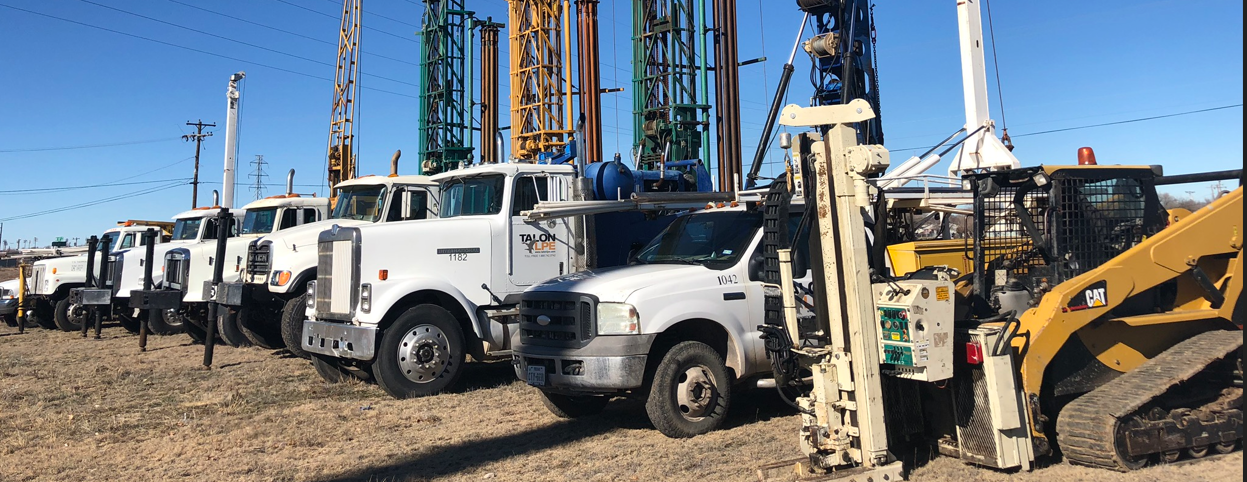
Deep anode beds require specialized drilling equipment to install a vertical borehole. Anodes are lowered into the borehole, typically surrounded by conductive backfill (like coke breeze), and sealed to ensure proper current distribution.
Advantages:
- Higher current output from a single location
- Minimal surface footprint
- More stable performance due to consistent subsurface conditions
Limitations:
- Higher upfront cost
- Requires specialized drilling expertise
- More complex installation and design considerations
Why Drilling Expertise Matters
Whether installing shallow or deep anode beds, proper drilling techniques are critical to system performance and longevity.
Key considerations include:
- Accurate borehole placement and depth
- Proper backfill installation
- Preventing borehole collapse
- Ensuring electrical continuity and system efficiency
A poorly installed anode bed can lead to uneven current distribution, reduced system life, and increased long-term costs.
How Talon/LPE Can Help
At Talon/LPE, we combine drilling expertise with environmental and engineering insight to deliver reliable anode bed installations tailored to your site conditions.
Our team can support:
- Site evaluation and feasibility assessments
- Shallow and deep anode bed drilling
- Coordination with cathodic protection system designers
- Installation oversight and quality assurance
With extensive field experience across a variety of soil and geologic conditions, our project managers understand how to execute these installations efficiently and effectively.
Choosing the Right Solution
There’s no one-size-fits-all approach when it comes to anode beds. The right solution depends on:
- Soil resistivity
- Available space
- Current requirements
- Project budget and timeline
Working with an experienced team ensures your system is designed and installed for long-term performance, not just short-term savings.
Let’s Talk
Whether you’re planning a new cathodic protection system or upgrading an existing one, Talon/LPE is here to help.
Connect with our team today to discuss your project and find the right anode bed solution for your site.